
Aside from iconic sights and family visits, I had made my way through the middle of London on a bicycle because, realistically, there is very little alternative if you are joining together Britain’s most southerly and easterly points. You have to cross the River Thames somehow, and the further west you do that, the less direct the journey becomes.
Now, emerging on the other side of the metropolis, my journey east took me into Essex, a part of the country I have mostly avoided in my life to date. I wanted to follow the coast as closely as possible along the north side of the Thames Estuary; but it becomes a mosaic of low islands and muddy creeks that doesn’t lend itself to continuous progress. I have still never been to Southend on Sea for this reason. You can easily get in but not out again, and who wants to face that fate?
So instead I was heading today for the town of Maldon, about fifty miles east of London, where I would first become reacquainted with coastal waters. From there I could start jumping across water on bridges and ferries, which I was looking forward to. But – unusually of late – there would be no ferries today. It was land all the way.
It was another baking hot day as the heatwave continued. That isn’t a major issue for cycling, as long as you stay hydrated, because you create your own breeze. You mainly feel the heat when you stop. But I was going to have to find a way out of London, and – like yesterday – that would mean many miles of unfamiliar suburbs.
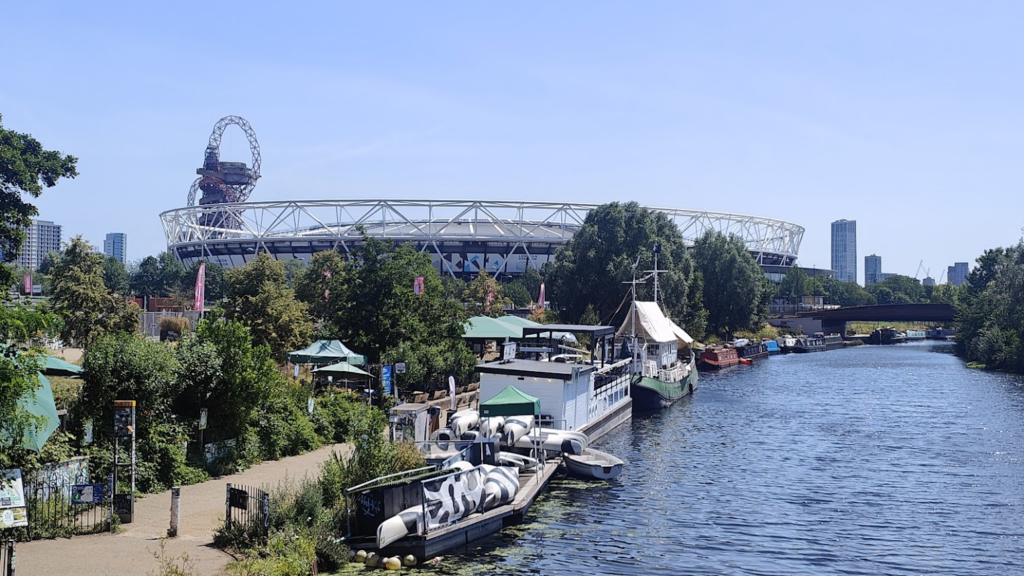
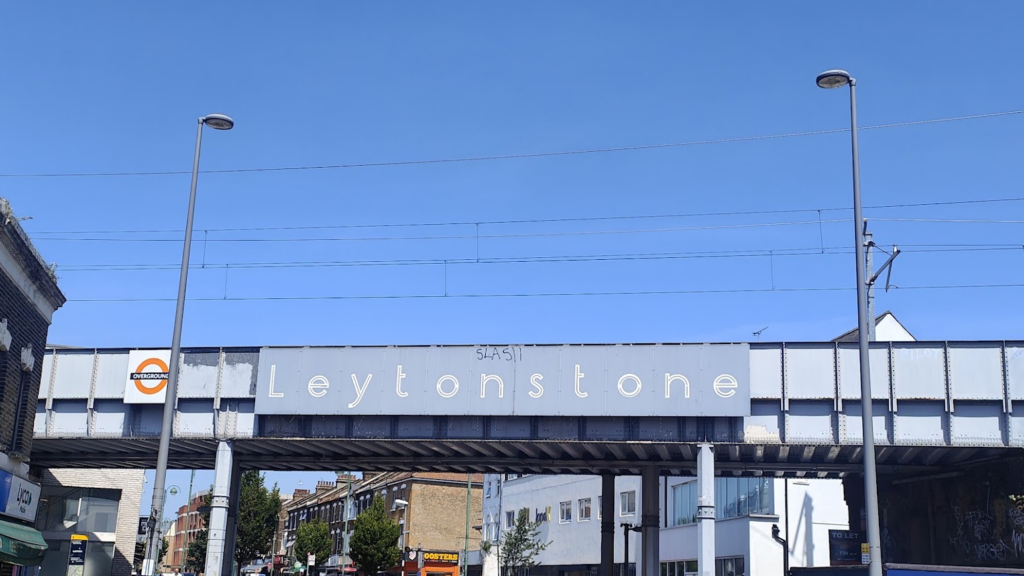
The first part of the journey was a traffic free pootle through Victoria Park and then on past the 2012 Olympic Park, around which there is now much new development. But eventually I turned onto one of London’s arterial A roads and made my way through suburbs like Leytonstone and Woodford towards the green spaces of Epping Forest. It probably took me an hour at least to reach it, but I was suddenly on quiet, green lanes, surrounded by tall deciduous trees, where herds of an ancient looking breed of long horned cattle sat around in long, grassy clearings. What a difference. It was a relatively quick and efficient way to leave behind all of the urban sprawl, and marked the start of a new phase of my journey, where I would pull around into a more easterly direction.
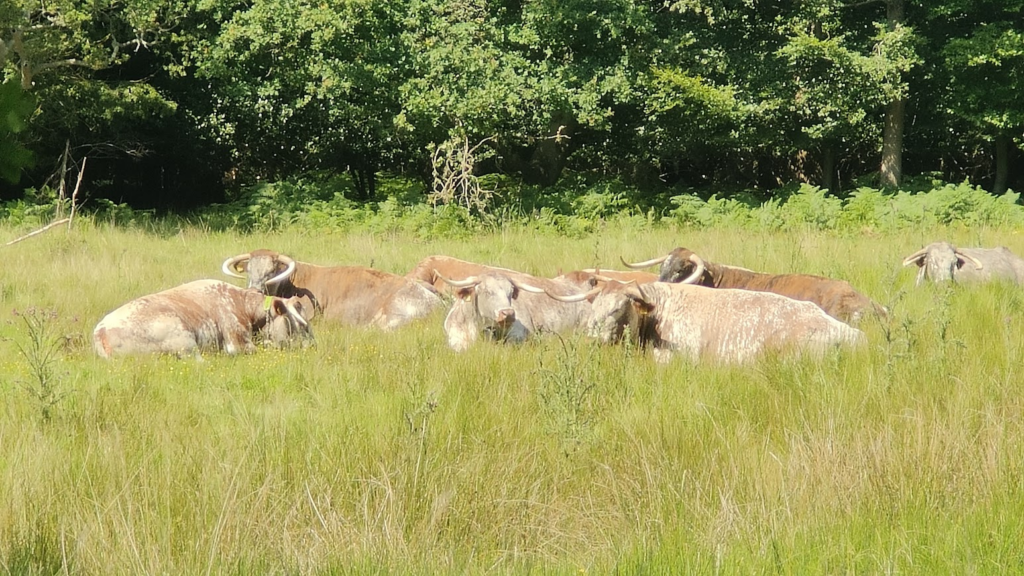
In the middle of the forest was a pub and a cafe, so I stopped for lunch. Some other cyclists joined me on expensive looking road bikes, and we chatted. The cafe owner joined us and had much to say about bicycle theft, including the loss of his own. Perhaps this was a reminder of where I was, the pleasant surroundings notwithstanding. But it all felt too stiflingly hot today to commit a crime, and no bikes went missing.
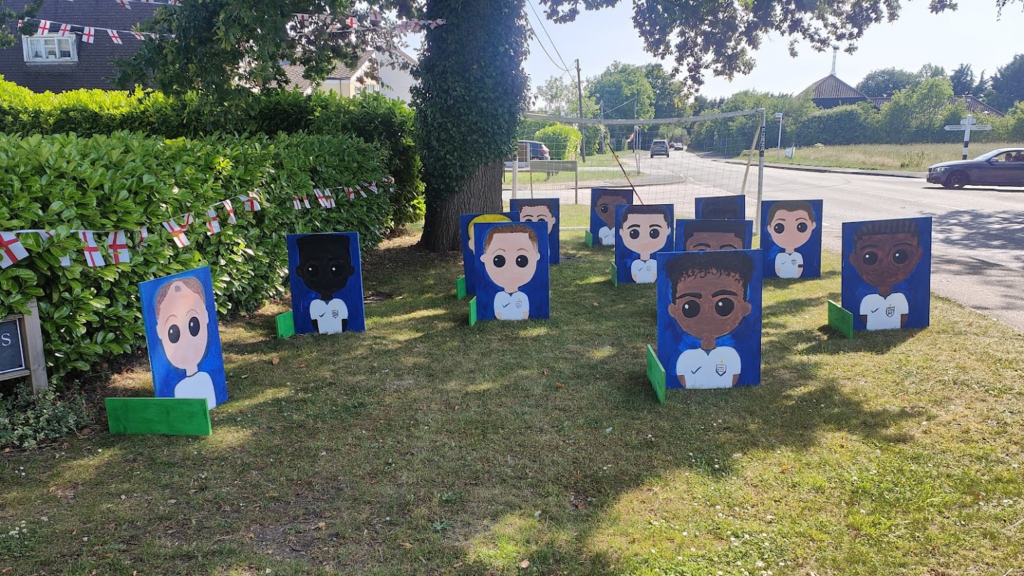
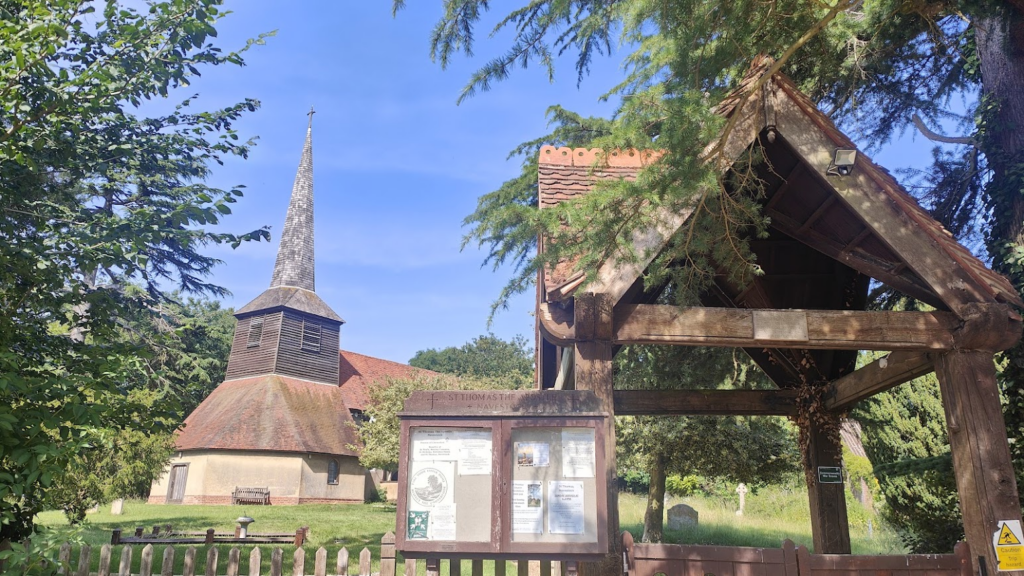
From here I was quickly into the Essex countryside, which certainly had its moments. It was neither flat nor especially hilly, and there were some very pleasant villages with churches with distinctive wooden spires, which seemed to be the thing around here. In one village, someone had gone to great efforts to celebrate England’s participation in the World Cup by setting up a full eleven players, in formation, outside their house on the grass verge. Each cartoon-style player was a recognisable head and shoulders painted in bright colours on a large wooden board, and it was an uplifting sight. I’m not sure I agreed with their team selection, and Thomas Tuchel surprised us all in various matches; but I heartily approved of this art installation
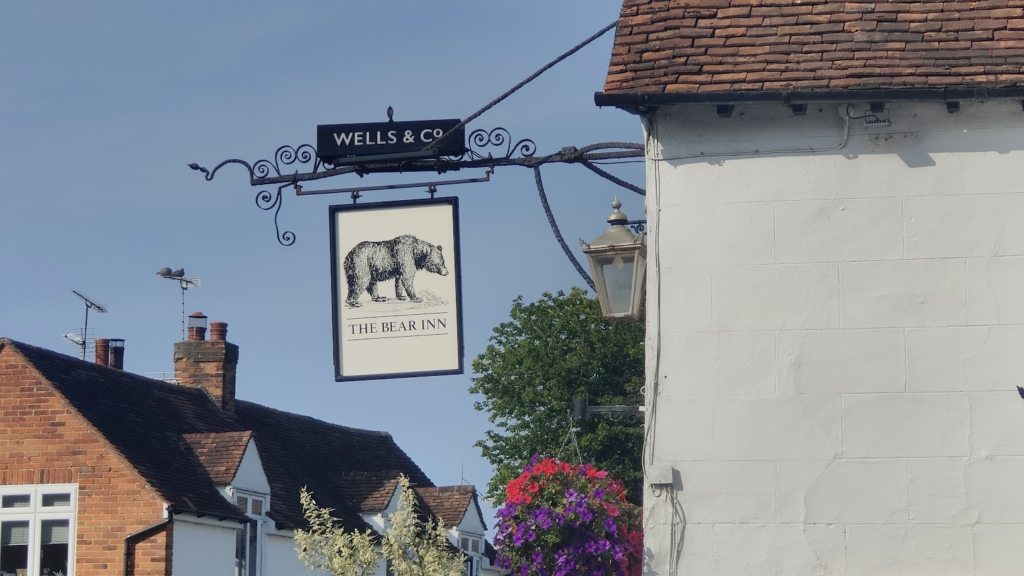
In one place, a large and particularly fetching village called Stock, I found an especially appealing pub, The Bear Inn, with a large garden that contained within it a duck pond. And a duck house called Duckingham Palace! A stop was called for, and I went inside to order a cooling pint and a bowl of chips. There were a few people by the bar, and as I smiled and said hello, my phone in my pocket suddenly started saying very loudly in its female Google Maps voice that I should make a U turn. The caused some bafflement, and then general laughter, which was fair enough.
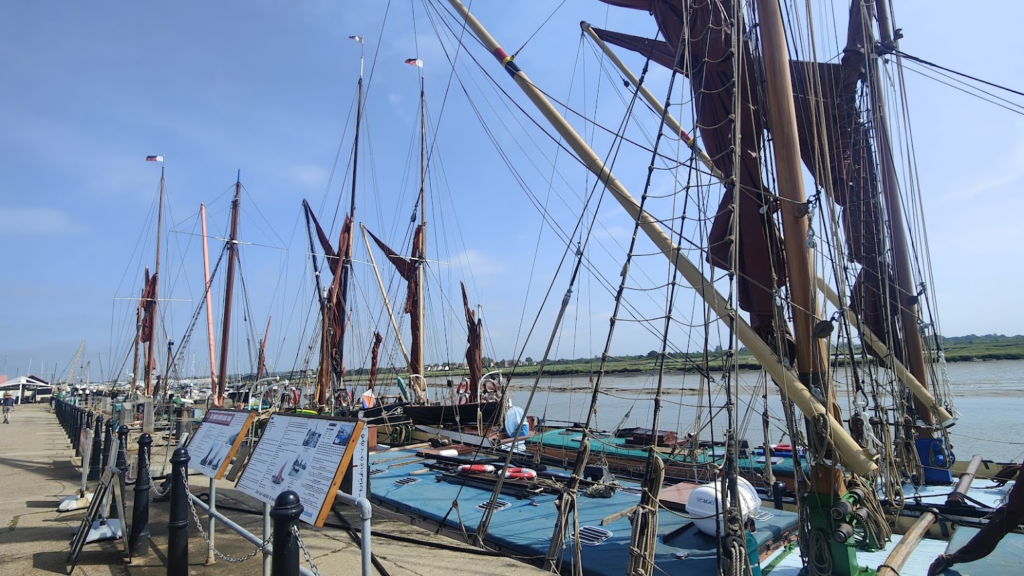
Maldon finally appeared, and it turned out to be something of a gem. The attractive Main Street sloped gently down from the first of a series of large mediaeval churches, right down to one lying close to the short waterfront, surrounded by old buildings. Here was a tidal area of marshes and deeper river channels. Maldon has access along this watery network to the open sea, and its quay now plays host to a couple of pubs, various chandleries, and half a dozen old Thames barges: beautiful wooden hulled boats with tall masts that used to sail cargo around these parts to and from London. These few survivors are relics of a bygone age, but they are in fully working order and offer regular trips around the creeks of the Thames estuary. Together they made a fine sight.
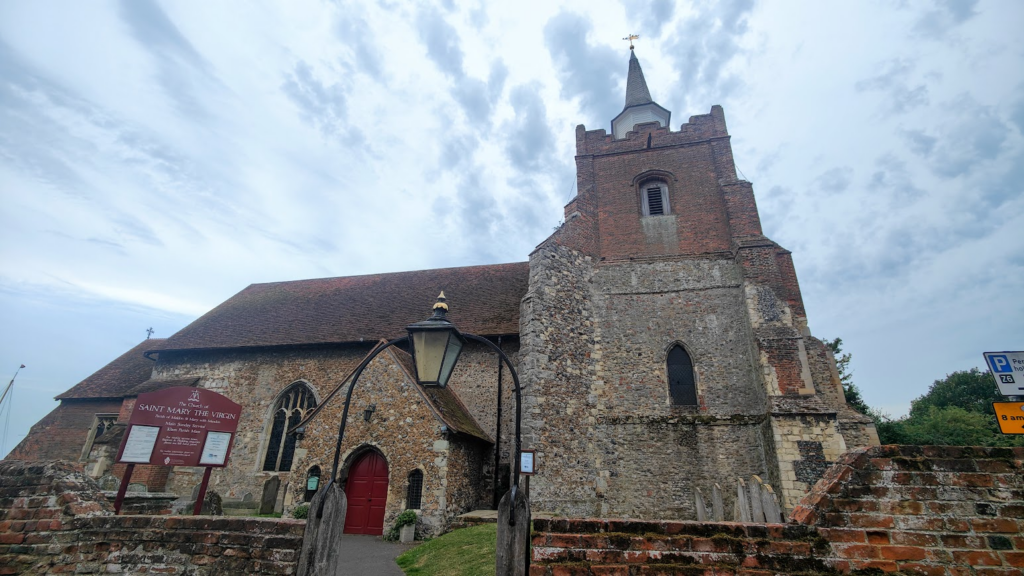
Access to the sea has shaped the history of Maldon, and it was once a thriving centre of trade, famous especially for its salt production. So it seemed an appropriate spot to enjoy fish and chips in the shadow of the sailing barges, with their assembled masts, ropes and sails reaching quietly for the sky on this calm, warm evening.
One reply on “Day 10 – Hackney to Maldon”
Mark, I especially love it when you’re recounting your travails through familiar parts of the country for me 😊. Devon, Dorset and London we’re all recent favorites!!